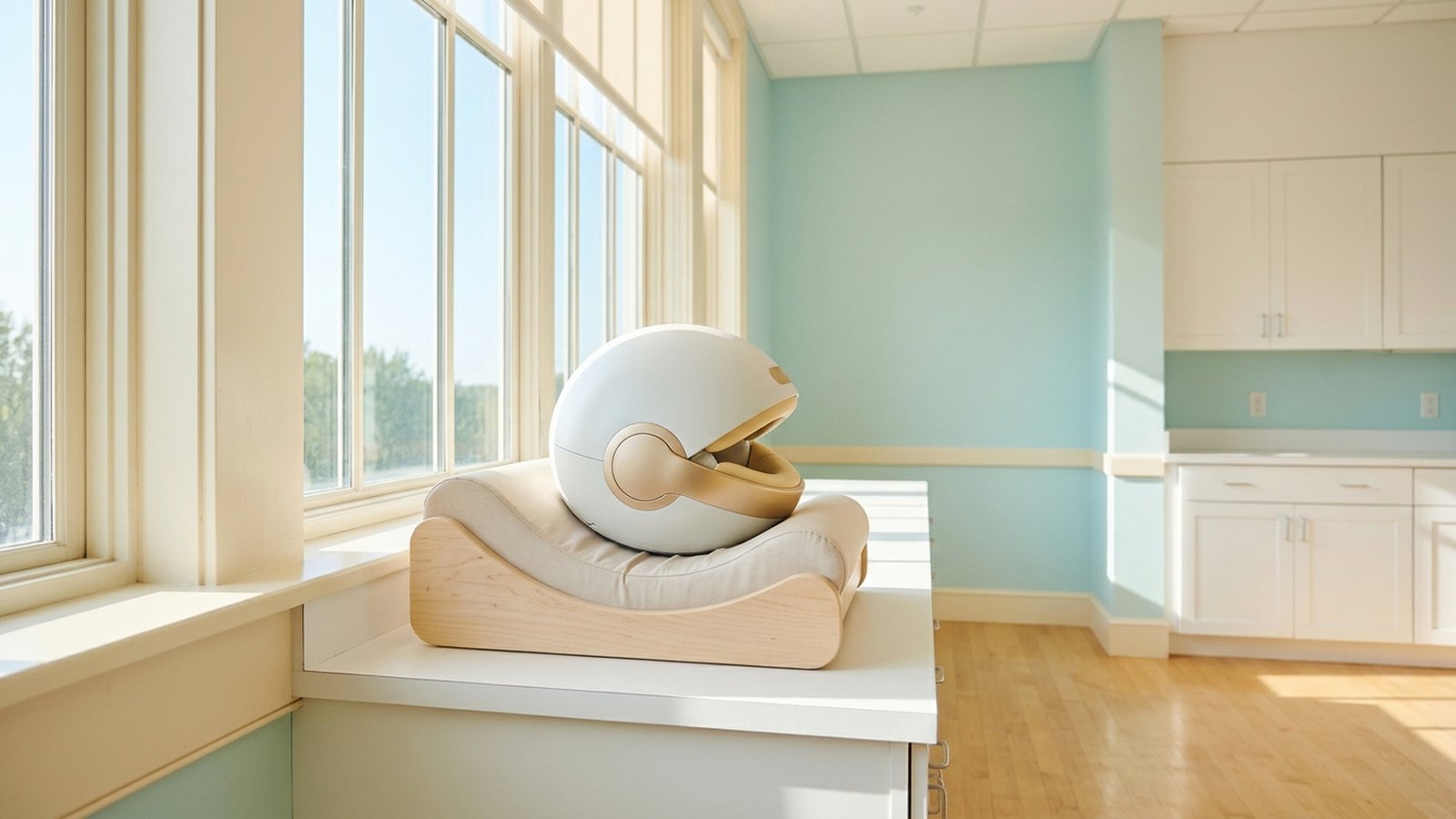
Ultrasound opens the brain’s barrier to Alzheimer’s drugs in tiny trials
About 260 people with Alzheimer’s have had the procedure across 27 studies, none of them randomized, and the most striking result so far comes…

Treating both sides of the brain with ultrasound helped Parkinson’s, at a cost
In a nine-centre trial of 54 patients, a second incisionless ultrasound lesion added modest motor gains, and one in four had lasting speech, gait…

Mice that lost their hearing as adults saw the periphery more clearly
A Johns Hopkins study finds the adult visual cortex turns down its response to the edges of view after hearing loss, and the mice…

A Berlin project space turns radio static into a listening show
Four artists fill BARDO Projektraum with FM transmitters, antennas and field recordings from November 5 to 20, with a performance on the 19th.

Focused ultrasound eased delusions in a 10-person schizophrenia pilot
One sham-controlled session aimed at a deep brain region cut delusion scores at NYU, and UCSF is now testing five days of sessions for…
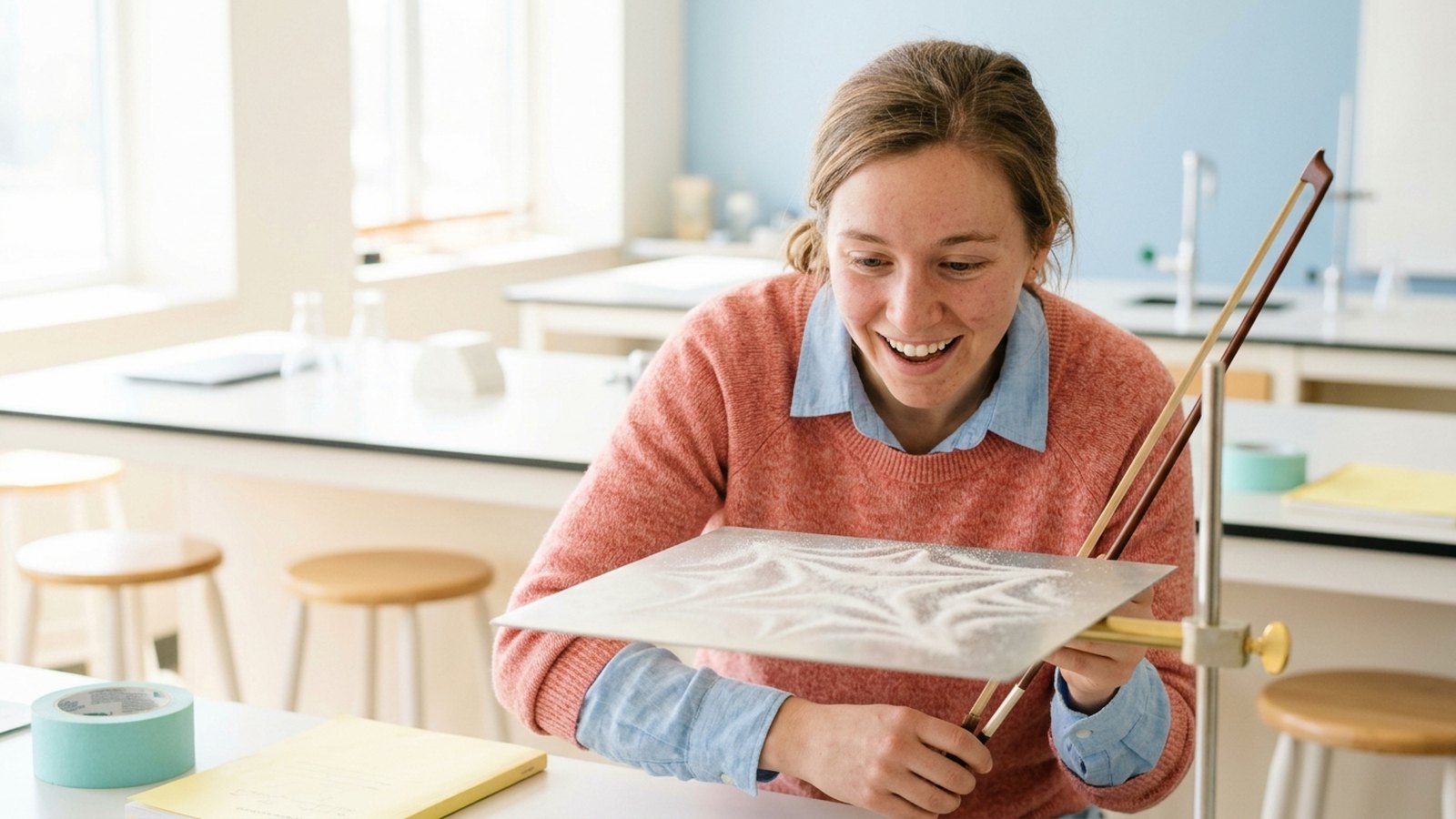
What sand on a vibrating plate actually shows
Cymatics turns a tone into a star of sand or a hexagon of water. The physics is 340 years old and says nothing about…

A London gallery turned listening room has four weeks left
At the Mosaic Rooms, free until 29 November, recordings of a Gaza City street play downstairs and visitors can play the instruments upstairs.
Gene therapy for deafness now targets its most common genetic cause
After April’s approval for a gene behind about 1% of congenital deafness, a Cambridge trial is dosing 10 children with GJB2 variants, and its…

Perth volunteers with bat detectors logged five species in 23 walks
Smartphone detectors that turn ultrasonic calls into audible sound let Wanneroo residents record a species never logged in their city before.

Personalized music cut cortisol more than pink noise in anxious students
In a Toronto trial of 83 undergraduates, 24 minutes of mood-matched music cut the stress hormone twice as much as noise did, yet both…

Aluminum discs from 1935 hold the earliest known spoken Louisiana Creole
A Cambridge linguist found linguist Lorenzo Dow Turner’s field recordings in an Indiana archive, with speakers born as early as 1868 telling their own…

A cell therapy to rebuild the hearing nerve finishes its first year
Lineage and William Demant Invest say ReSonance cells are now made at clinical grade, with a Danish regulator meeting planned before any human trial.

Focused ultrasound switched on gene editing in one side of a mouse brain
Stanford researchers used sound to make particles in the blood glow, and the glow turned on a light-sensitive gene editor only where the beam…
All stories
Everything we have published, newest first.